PSYCHEDELIC PUNK NIGHTMARE: TWISTED ISSUES
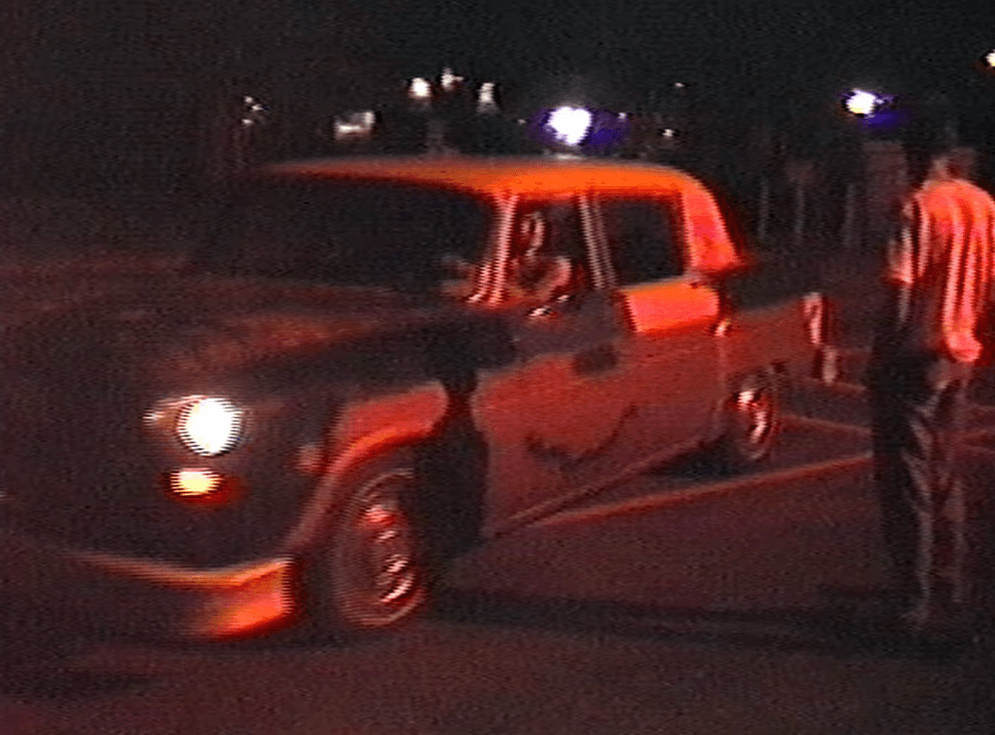
Twisted Issues (1988) is an art film directed by Charles Pinion that blends horror, comedy, absurdity, and a punk atmosphere. It is considered a cult classic within the underground community.
It all began when Charles Pinion started filming the punk scene in Gainesville, Florida, as a documentary. During the 1980s, house parties and concerts were extremely common. After witnessing these events, the director thought that they might eventually disappear, so he decided to document them and began making a documentary. That documentary later evolved into the film.
Twisted Issues feels less like a conventional movie and more like an experience. Watching it is like stepping into one of those bizarre, psychedelic dreams that seem strangely familiar. With the exception of the opening scenes, most of the film takes place at night, further enhancing its surreal and dreamlike atmosphere.
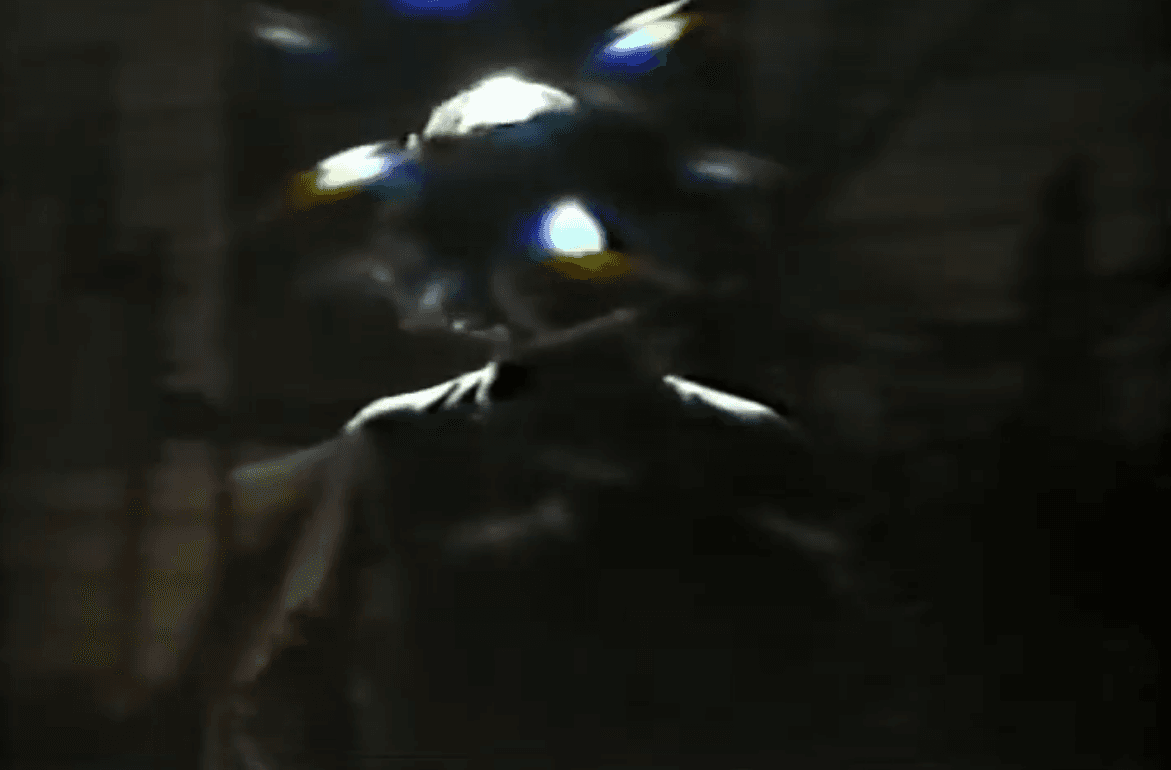
The film doesn't have a deep or complex story, nor is it trying to. On the night of a party, a group of teenagers driving around pick a fight with a skateboarder. The confrontation escalates, and they end up killing him. Later, a mad scientist discovers the boy's body and attempts to bring him back to life. After being resurrected, the young skateboarder nails his skateboard to his foot and begins a murderous rampage across the city, seeking revenge on those who killed him.
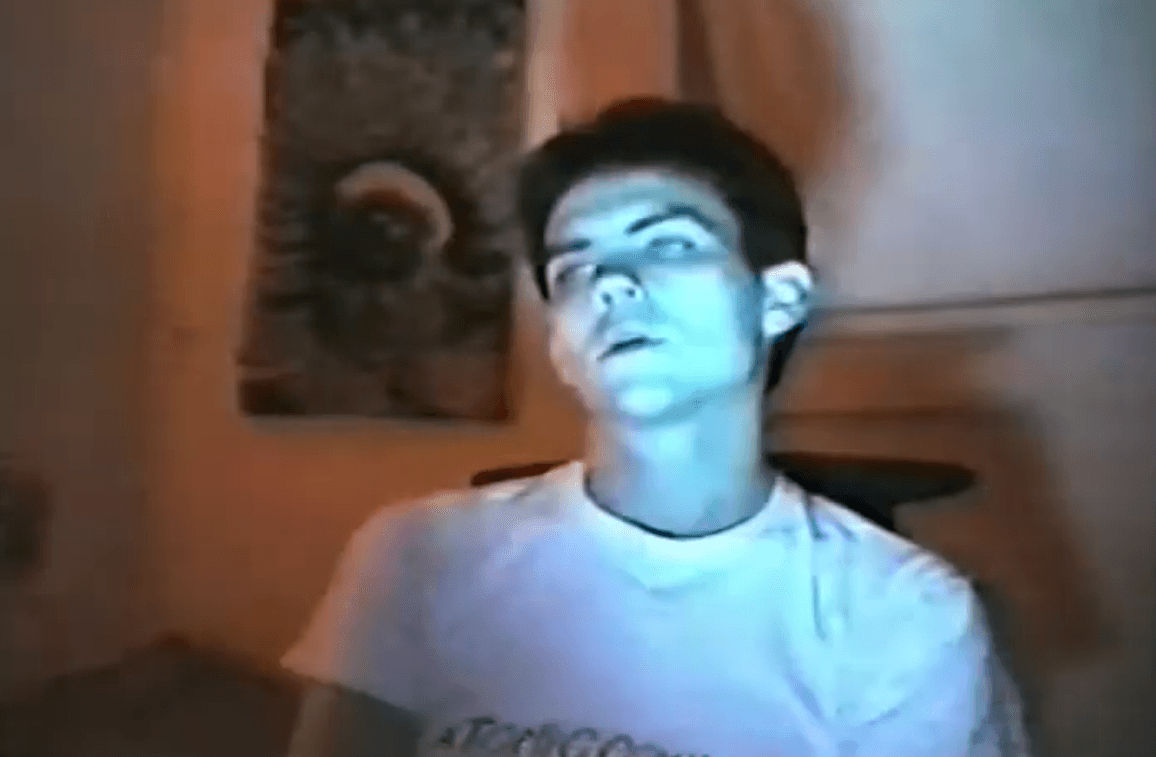
As the resurrected skateboarder continues his quest for revenge, the film repeatedly cuts to scenes featuring director Charles Pinion himself alongside his girlfriend. Charles appears almost hypnotized by the television, watching the violence inflicted upon his friends unfold on the screen.
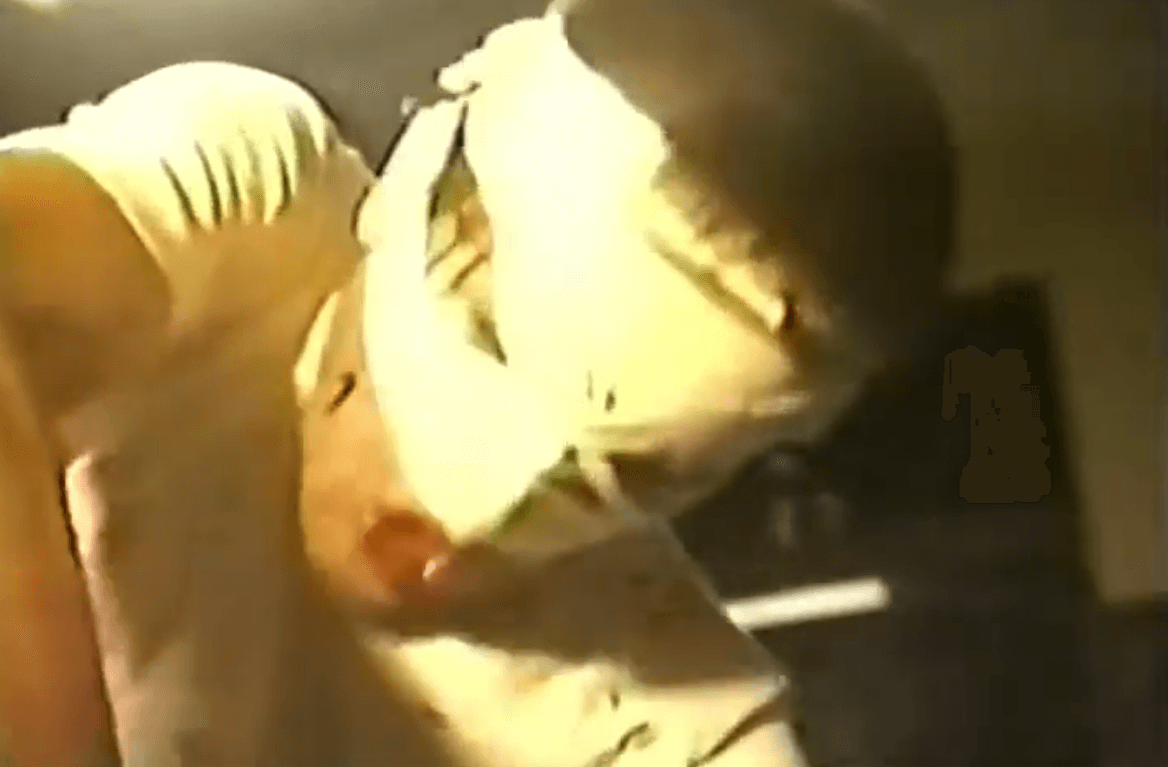
In one memorable scene, Charles is in the kitchen chopping vegetables with a pair of garden shears. When his girlfriend mocks him, he suddenly decapitates her with the shears. The absurd part is that later in the film, she reappears with her head wrapped in bandages as if nothing had happened, while Charles is once again calmly watching television.
In another scene, his girlfriend attempts to strangle Charles with a cable. The combination of Pinion's deadpan expressions and the film's relentless absurdity makes it strangely immersive, pulling the viewer deeper into its bizarre world.
Several members of local punk rock bands from the area appear among the film's cast. Likewise, most of the songs featured throughout the film were written and performed by these same bands. If there's one aspect of Twisted Issues that deserves as much praise as its atmosphere, it's the soundtrack. Since most of the music was created specifically for the film, it complements its chaotic punk aesthetic and surreal atmosphere remarkably well.
Armed with a sword he finds along the way, the skateboard killer continues to wound and murder people. Throughout his rampage, the film mixes black comedy, absurd situations, and bizarre dialogue. In one scene, a character is standing outside a convenience store when a mysterious voice calls out to him from the darkness and hands him a pill. After taking it, he begins experiencing strange hallucinations. Moments like these appear frequently throughout the film.
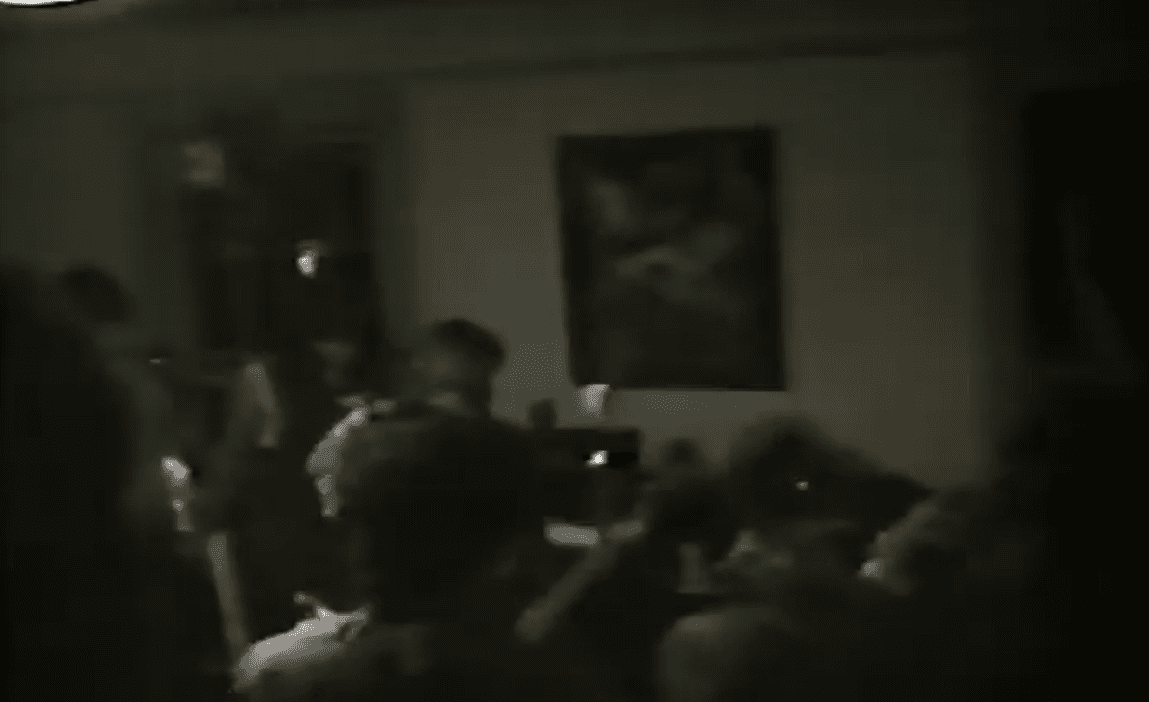
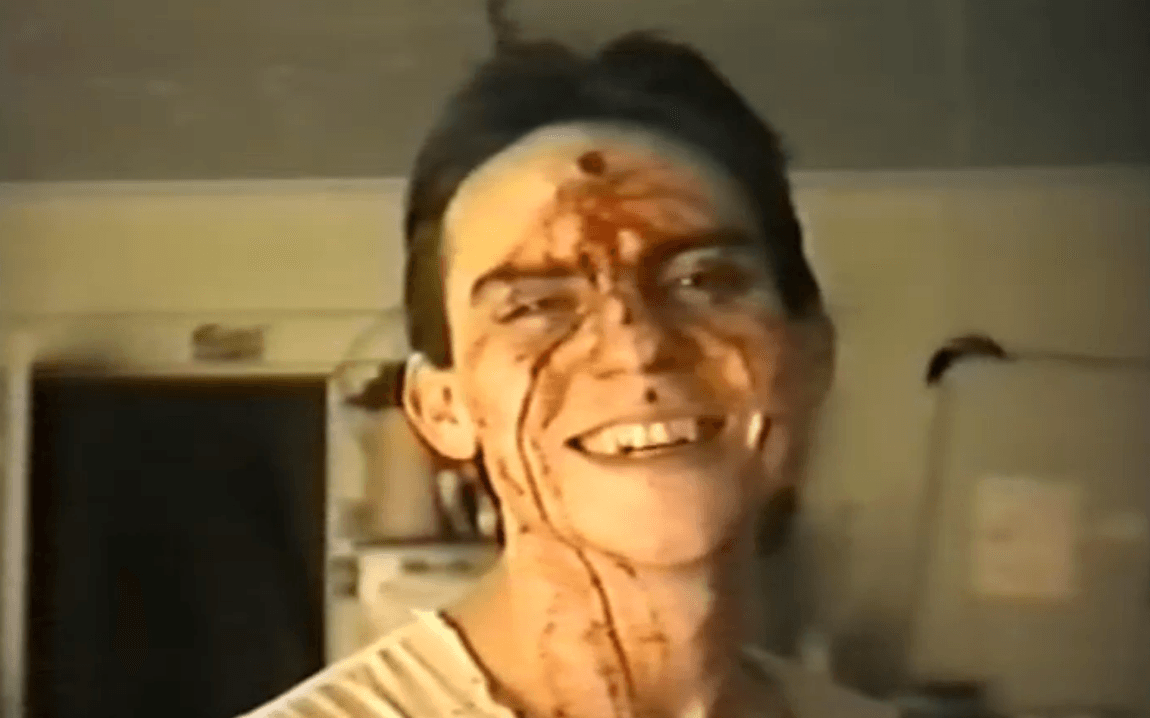
Toward the end, the skateboard killer arrives at Charles's house. The violence Charles had been watching on television has finally become his own reality. A gruesome confrontation breaks out between the killer and Charles's friends inside the house, bringing the film to its bloody conclusion.
I think the film is highly successful. It may have been made on a shoestring budget, but when a project is driven by genuine passion, great things can still emerge. Twisted Issues is one of the best examples of this. In the end, all you really need to communicate an idea is a camera.
For a time, the film was believed to be lost, but it is now available digitally. There is also a limited, restored physical edition available for collectors.